Emergencies strike without warning. Whether at home, work, or outdoors, mastering practical first aid skills can save lives. Below are the 5 most common emergency situations and step-by-step correct first aid procedures, plus key tips for choosing reliable first aid equipment for your family and team.
1. Respiratory Arrest: Immediate Ventilation Support
When someone stops breathing, every second counts.
· Immediately provide artificial ventilation with a manual resuscitator (Ambu bag) and oxygen supply.
· Ensure a tight mask seal to avoid air leakage.
Follow standard ventilation rates to keep oxygen flowing and stabilize the patient before professional help arrives.
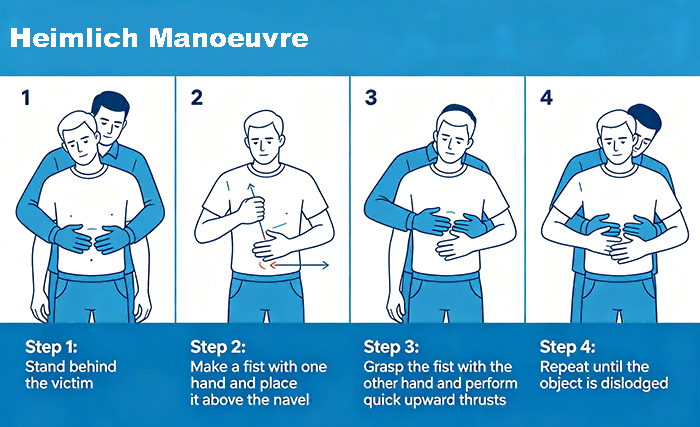
2. Choking: Rapid Airway Clearance
Choking can lead to suffocation in minutes — act fast.
· Learn the Heimlich maneuver from a certified first aid training course.
· Use professional anti-choking devices: they work for trained and untrained users alike.
· Clear the airway as quickly as possible to restore normal breathing.
3. Cardiac Arrest: CPR & Chest Compressions
CPR keeps blood circulating to the brain and heart when the heart stops.
· Check for response: if no reaction, call your local emergency number immediately.
· Start hands-only CPR (no rescue breaths needed for untrained rescuers).
· Place one hand over the other on the center of the chest.
· Push straight down 2 inches (≈5 cm) at a rate of 100–120 compressions per minute.
· Let the chest fully rise between compressions.
· Keep going nonstop until a trained responder or medical team takes over.
4. Trauma Injuries: Immobilize & Protect
Fractures, neck injuries, and sprains need quick immobilization.
· Use cervical collars for neck injuries.
· Apply air splints to fractured or sprained limbs.
· This stops secondary damage and reduces pain during transport to a hospital.
5. How to Choose Reliable First Aid Equipment
· For business buyers, families, and medical teams, quality and safety are non-negotiable.
- · Prioritize devices that are safe, durable, and easy to operate.
- · Look for international certifications: CE, ISO, FDA.
- · Select age-appropriate sizes: adult, child, and infant for full coverage.
Final Note: Preparedness saves lives. Stock high-quality first aid tools and refresh your skills regularly to stay ready for any emergency.